Sustainable Fashion on a Real Budget: Myth, Reality, and What Actually Works
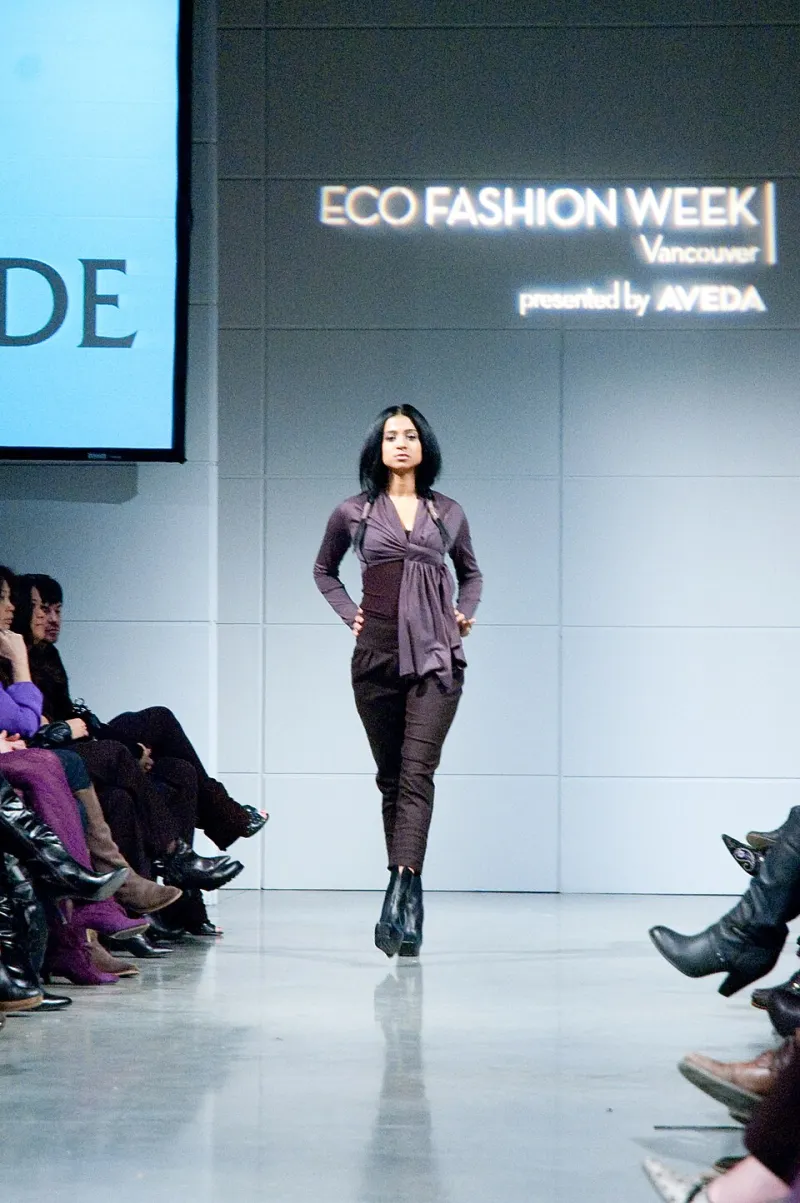
Photo: Jason Hargrove from Toronto, Canada, CC BY 2.0, via Wikimedia Commons
Here's the uncomfortable truth about sustainable fashion: it often costs more. Not because ethical brands are trying to gouge you, but because making clothes the right way — paying workers fairly, using better materials, minimizing environmental impact — genuinely costs more than the alternative. And that's a problem for the vast majority of American shoppers who care about the planet but also have a mortgage, student loans, and a grocery bill that keeps climbing.
So where does that leave the conscious consumer? Stuck between values and a Venmo balance? Not necessarily. At GLO Shop, we believe in global style that you can feel good about — and that means being honest about the sustainable fashion conversation, including the parts that are genuinely hard.
Let's get into it.
The Real Cost of Ethical Production
Before we talk about price tags, it helps to understand why sustainable fashion costs what it costs. When a brand commits to ethical production, they're typically absorbing several layers of expense that fast fashion simply externalizes — often onto workers, communities, and ecosystems.
Fair wages are the biggest factor. The global fashion industry has a long and well-documented history of relying on extremely low-wage labor, often in countries with limited worker protections. When a brand pays a living wage — not just a legal minimum, but an actual living wage — that cost gets built into the price of the garment.
Material sourcing adds another layer. Organic cotton, recycled polyester, TENCEL™, and other sustainable fibers cost more to produce and certify than conventional alternatives. A T-shirt made from GOTS-certified organic cotton might use the same amount of material as a conventional tee, but the upstream cost is meaningfully higher.
Smaller production runs also play a role. Sustainable brands typically can't order the massive quantities that drive per-unit costs down for fast fashion giants. That means their cost per piece stays higher even before profit margins enter the picture.
"When people see a $120 organic cotton sweater and compare it to a $25 one at a fast fashion chain, they're not comparing apples to apples," explains sustainable fashion advocate and stylist Jordan Okafor. "They're comparing two completely different production philosophies — and one of them is hiding its real costs somewhere else."
The Price Comparison Nobody Wants to Have
Let's look at some real numbers, because abstract principles only go so far.
A basic white T-shirt from a fast fashion retailer might run you $8–$15. A comparable shirt from a certified fair-trade, organic brand? Closer to $35–$55. That's a real difference — especially if you're shopping for a whole wardrobe.
A pair of jeans tells a similar story. Conventional denim from a mall brand might be $40–$60. Jeans from a brand using ethical labor and sustainable denim production? Typically $100–$180, sometimes more.
A casual dress: $20–$35 fast fashion versus $75–$150 sustainable. You get the picture.
These gaps are real, and pretending otherwise doesn't help anyone. But here's what often gets left out of that comparison: cost-per-wear.
A $120 sweater that you wear 80 times over four years costs you $1.50 per wear. A $30 sweater that pills after 10 washes and gets donated costs $3.00 per wear — and generates more textile waste in the process. Sustainable pieces, when they're well-made, often outlast their cheaper counterparts by years. That changes the math considerably.
Strategies That Actually Make Sustainable Fashion Affordable
Okay, so we've established that the sticker price is real. Now let's talk about how to navigate it without either abandoning your values or emptying your savings account.
Buy less, buy better. This is the foundational principle of conscious fashion, and it's genuinely transformative when you commit to it. Instead of buying six mediocre pieces, buy two great ones. A wardrobe of 30 high-quality, versatile items you love will serve you better — and cost less over time — than a closet stuffed with 80 pieces you feel lukewarm about.
Prioritize secondhand first. Thrifting, vintage shopping, and resale platforms like ThredUp, Poshmark, and Depop are genuinely some of the most sustainable ways to shop — and they can be very affordable. You're extending the life of existing garments rather than creating demand for new production. And yes, you can absolutely find elevated, global-inspired pieces this way.
Focus your ethical spending on high-impact categories. You don't have to replace everything at once. Start with the categories where you spend the most — if you wear jeans every day, invest in one great ethical pair. If you live in T-shirts, find a fair-trade brand you love and commit to it. Prioritize rather than trying to overhaul everything simultaneously.
Learn to read certifications. Not every brand that calls itself "sustainable" actually is. Look for third-party certifications like Fair Trade Certified, GOTS (Global Organic Textile Standard), OEKO-TEX, and B Corp status. These aren't perfect, but they provide meaningful accountability that self-reported sustainability claims don't.
Shop global brands with transparent supply chains. Some of the most interesting sustainable fashion is coming from brands outside the US — particularly in Europe and parts of Asia — where different regulatory environments and production cultures have created genuinely ethical options at more accessible price points. At GLO Shop, we specifically seek out global brands that combine compelling design with responsible practices, because we think you shouldn't have to choose between looking great and feeling good about your purchase.
The Honest Bottom Line
Can you build a fully sustainable wardrobe on a tight budget? Honestly, not entirely — not if "fully sustainable" means every piece is new, ethically produced, and certified. The economics simply don't work out that way at every price point, and anyone who tells you otherwise is selling something.
But can you make meaningfully more sustainable choices without breaking the bank? Absolutely. By combining secondhand shopping, intentional buying, and strategic investment in a few key ethical pieces, most American shoppers can dramatically reduce the environmental and human cost of their wardrobe without a dramatic increase in spending.
The goal isn't perfection. It's progress. And at GLO Shop, we're committed to making that progress feel stylish, accessible, and genuinely global — because the world's best fashion should come with a clear conscience.