The World's Best Street Stylists Layer Like This — And You Can Too

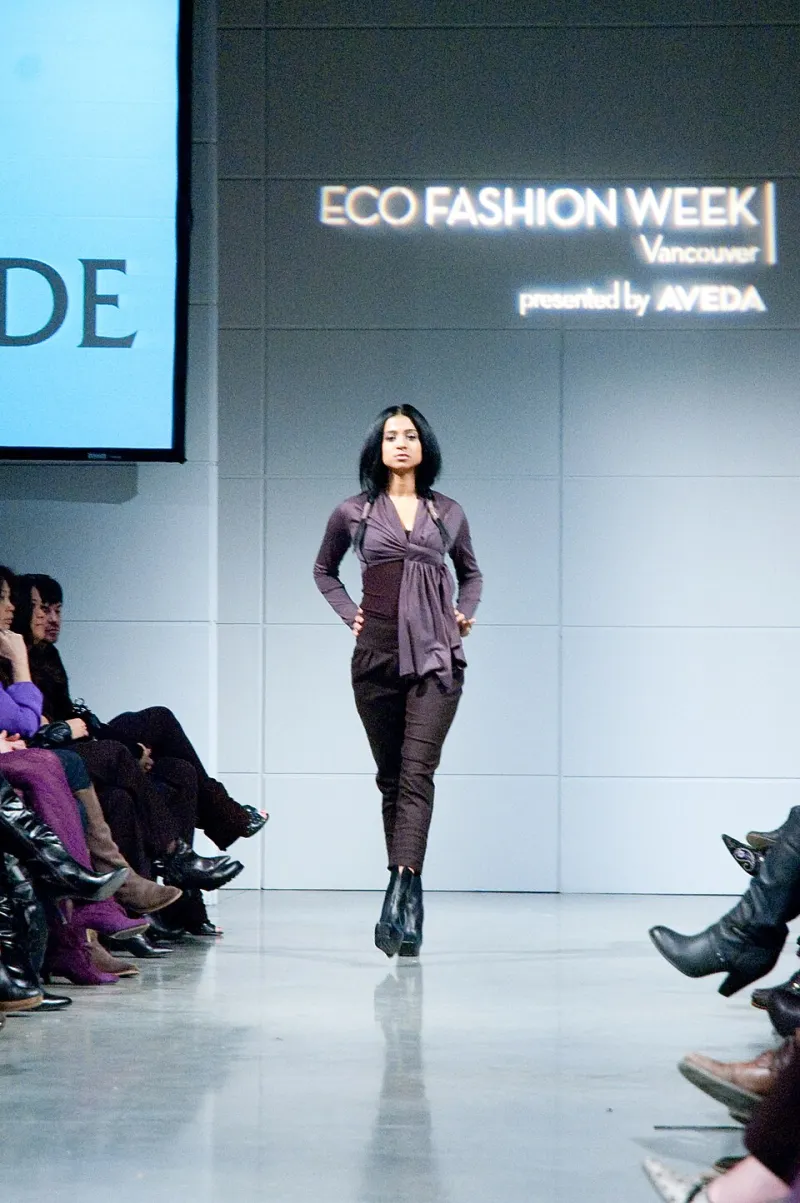
Photo: Rajani Gairshail, CC BY-SA 4.0, via Wikimedia Commons
If you've ever stared at your closet in mid-October wondering how to dress for a 45-degree morning that's going to hit 68 by afternoon, you already understand why layering is a skill worth developing. It's not just a practical solution to unpredictable weather — in the hands of the world's most style-forward cities, layering becomes an art form. A way of expressing personality, culture, and a distinctly global approach to getting dressed.
The good news? You don't need to live in Tokyo or Paris to pull it off. You just need to understand the logic behind each city's approach — and then make it your own.
Tokyo: Embrace the Unexpected Proportion
If there's one city that has completely redefined what layering can look like, it's Tokyo. Japanese street style is built on a foundation of playing with proportion in ways that feel genuinely surprising — and it works because it's always intentional.
The Tokyo formula: Oversized outer layer + structured middle layer + fitted base.
Think a wide-shouldered coat that hits mid-thigh, worn over a boxy blazer, layered over a slim ribbed turtleneck. The key is that each piece has its own distinct silhouette, and none of them are fighting for the same visual space. Proportions are staggered on purpose.
Fabric combinations to try: Heavy cotton canvas over a knit wool vest over a lightweight merino base. Or a sheer, floaty overshirt layered over a structured button-down and a fitted long-sleeve tee.
What US shoppers can take from this: Don't be afraid to go big. Americans tend to default to fitted-over-fitted layering, which can look bulky rather than intentional. Tokyo street style teaches us that choosing volume — rather than accidentally creating it — is what makes the difference.
Pieces to build with: Wide-shoulder overcoats, boxy knit vests, pleated trousers, and chunky-soled footwear to anchor the silhouette from below.
Paris: The Art of Looking Like You're Not Trying
Parisian style has been romanticized to the point of cliché, but the layering philosophy behind it is genuinely useful — and surprisingly simple. The core idea is effortlessness. Every piece should look like it landed there naturally, not like it was carefully assembled.
The Parisian formula: One classic piece + one slightly unexpected element + minimal accessories.
A classic trench coat thrown over a striped marinière top and straight-leg jeans. A blazer worn over a simple slip dress with a lightweight scarf loosely knotted at the neck. The trick is restraint — one layer too many and the whole thing collapses.
Fabric combinations to try: Silk or satin underneath structured wool. Lightweight linen under a leather jacket for transitional weather. The contrast between soft and structured is very much a Parisian move.
What US shoppers can take from this: Edit relentlessly. If you're adding a layer, something else might need to come off. The Parisian approach is really about subtracting until you hit the sweet spot — not adding until you feel like enough is happening.
Pieces to build with: A well-cut trench, a classic blazer in navy or camel, slim straight-leg denim, and a silk scarf you can style six different ways.
Seoul: Precision Mixing at Its Finest
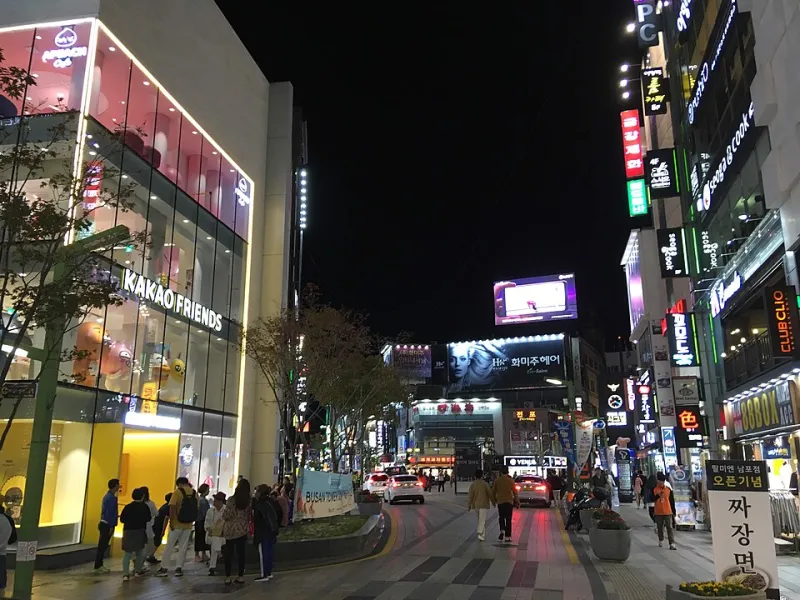
Korean street style — particularly in neighborhoods like Hongdae and Seongsu — operates on a completely different level of intentionality. Where Tokyo plays with proportion and Paris leans into ease, Seoul is all about precision. Every piece is chosen with purpose, and the color coordination is almost architectural.
The Seoul formula: Tonal dressing + one contrast element + sharp, clean silhouettes throughout.
Imagine a slate gray oversized hoodie layered under a cropped technical jacket, paired with wide-leg charcoal trousers and a single pop of contrast — maybe white sneakers or an ivory scarf. Everything is deliberate. Nothing is accidental.
Fabric combinations to try: Technical fabrics (think nylon, ripstop) mixed with soft knitwear. Or structured denim layered under a tailored wool coat for a mix of casual and polished that feels very Seoul.
What US shoppers can take from this: Think about your outfit as a single composition rather than a collection of separate pieces. Color coordination across layers — even if just staying within a two-tone palette — instantly elevates a look from thrown-together to intentional.
Pieces to build with: Cropped technical outerwear, wide-leg trousers, monochrome knits, and minimalist sneakers or clean leather shoes.
Copenhagen: Cozy Meets Cool
Scandinavian cities — Copenhagen in particular — have mastered what we'd call the functional luxe approach to layering. It's practical because it has to be (those winters are no joke), but it never tips into looking utilitarian.
The Copenhagen formula: Cozy textures + clean tailoring + one bold color choice.
A chunky knit sweater under a streamlined wool coat, with tailored trousers and simple leather boots. Or a fleece-lined jacket over a turtleneck and well-fitted chinos. The Scandinavian approach embraces warmth without sacrificing shape.
What US shoppers can take from this: Texture is your friend in colder months. Mixing a bouclé, a smooth wool, and a brushed cotton in the same outfit adds visual depth without needing multiple colors or complicated silhouettes.
Putting It All Together: A Layering Cheat Sheet
No matter which city's approach speaks to you, a few universal principles apply:
-
Work from thin to thick — lighter, more fitted layers closest to the body, heavier and looser pieces on top. This keeps bulk manageable and makes it easy to remove layers as the day warms up.
-
Let each layer be seen — if you're going to layer, make sure each piece contributes something visible. A tee peeking out from under an open button-down, a turtleneck rising above a crewneck sweater, a shirt hem extending below a jacket.
-
Stick to a cohesive palette — you don't need to go full tonal, but keeping your layers within a complementary color story prevents the look from reading as chaotic.
-
Proportion is everything — vary the lengths and fits of your layers to create visual interest without bulk.
-
Invest in transitional pieces — lightweight blazers, long-sleeve tees, and versatile knitwear are the unsung heroes of year-round layering.
At GLO Shop, we think of layering as one of the most globally democratic style skills out there. Whether you're channeling Tokyo's fearless proportions on a crisp fall morning in Chicago or borrowing Paris's effortless restraint for a mild New York afternoon, the world's fashion capitals have already done the legwork. All you have to do is wear it your way.