Outsourcing Your Closet: The Real Deal on Clothing Subscription Boxes
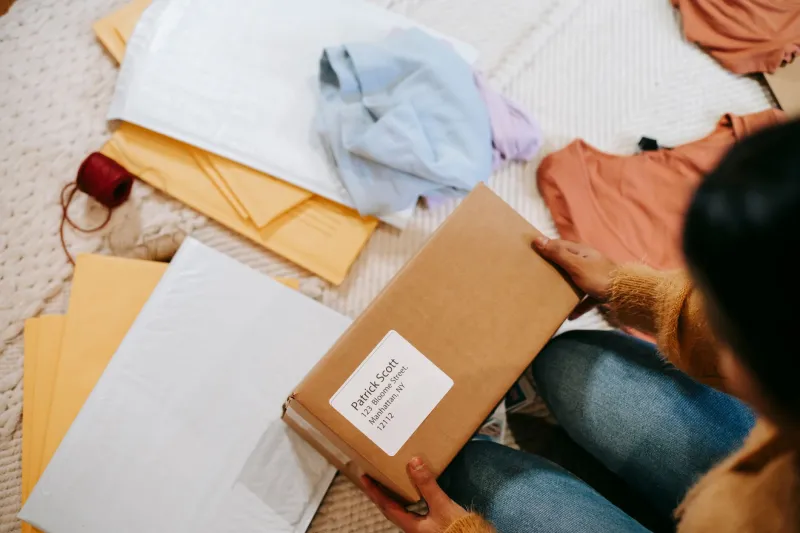
It's 9:47 PM on a Tuesday. You're scrolling your phone from the couch, half-watching a rerun, when a package arrives at your door three days later containing five pieces of clothing someone else chose for you. No mall parking. No fluorescent fitting rooms. No pile of discarded options on the floor.
If that sounds appealing, you're in very good company. Clothing subscription boxes have quietly become a billion-dollar corner of American retail, and the obsession shows no signs of slowing down. But between the Instagram ads and the influencer unboxings, it's hard to know what you're actually signing up for. Let's pull back the curtain.
Why We're All Letting Strangers Dress Us
The pitch is simple: time is the new luxury. Between work, commutes, kids, and everything else on the calendar, most Americans would rather spend an evening doing literally anything besides wandering a department store. Subscription services promise to collapse that chore into a five-minute style quiz and a doorstep delivery.
There's also a confidence factor. A lot of people don't feel like they "know" fashion — what's trending, what flatters them, what's worth the money. A stylist (or a very smart algorithm) removes the guesswork. You get a curated selection, try everything on at home with your own mirror and your own lighting, and keep what you love.
And let's be honest: there's a gift-to-yourself element too. A box in the mail is a little hit of dopamine in an unmarked package. Retailers know it. You know it. Nobody's mad about it.
The Two Flavors of Boxes
Not all subscriptions work the same way, and knowing the difference saves you money and headaches.
Try-before-you-buy boxes. A stylist sends a curated selection — usually four to six items. You try everything on, keep what you want, and send back the rest. You typically pay a styling fee per box, which is credited toward anything you purchase. The catch? Items are often priced at full retail or close to it.
Rental subscriptions. For a flat monthly fee, you rent a set number of pieces at a time, wear them as much as you want, and swap them out. This is huge for occasion dressing — think weddings, work events, that one beach vacation — where you'd otherwise buy something you wear once.
There are also hybrid models and boxes built around a specific niche: activewear, workwear, maternity, plus-size, sustainable brands. The niche boxes are often where the real value hides, because curation is tighter and the stylists actually specialize.
The Budget Math Nobody Shows You
Here's where we get real. A typical styling-fee box runs $20–$25 per shipment, and the average item inside might cost $50–$80. If you keep all five pieces, you're looking at a $300+ haul. If you keep one? You paid a styling fee for the privilege of window shopping at home.
That's not automatically a bad deal — but only if you'd have spent that money anyway. The trap is keeping items you're lukewarm on just because they're already in your living room. Psychologists call this the endowment effect: once something's yours, you overvalue it. Boxes are built on that instinct.
A few rules of thumb:
- Only keep pieces you'd pay full price for without hesitation. "It's fine" is a return, not a keeper.
- Track your cost-per-wear. A $70 blazer you wear weekly beats a $30 top that sits in the drawer.
- Pause between boxes. Most services let you skip months — use it. Your closet needs breathing room, not constant arrivals.
- For rentals, do the math on one-off purchases. If you attend three events a year and would buy a $150 dress for each, a $90/month rental plan only wins if you actually use it regularly.
How to Train Your Stylist (Yes, Really)
The single biggest predictor of subscription-box satisfaction isn't the service — it's your feedback. Most people fill out the style quiz once and never update it, then wonder why box number nine looks like box number one.
Instead, treat every note field like a direct line to a personal shopper. Be specific. "I need pieces for a new office job, business casual, I hate tight sleeves" beats "surprise me." After each box, leave detailed notes on what worked and what didn't — including fit issues, since sizing varies wildly across brands.
And pin, save, and share. Many services let you link a Pinterest board or favorite outfits from your history. Stylists genuinely use this. The more data you give them, the fewer "who is this for?" moments show up at your door.
So Is It Worth It?
For the right person? Absolutely. If you hate shopping, have zero time, or want an expert eye while you rebuild your wardrobe, a box can be genuinely transformative. The convenience alone — no returns-to-store runs, no parking lots, no Saturday afternoon swallowed whole — has real value.
But it's not a magic fix. The boxes that work best are the ones you treat like a collaboration, not a vending machine: clear about what you need, honest in your feedback, disciplined about what comes back in the return bag.
The fitting room in your inbox is only as good as the person — or algorithm — dressing you. Give it good instructions, and it might just become your favorite way to shop.