Chasing Joy: How Vibrant Color Became America's Favorite Mood Booster
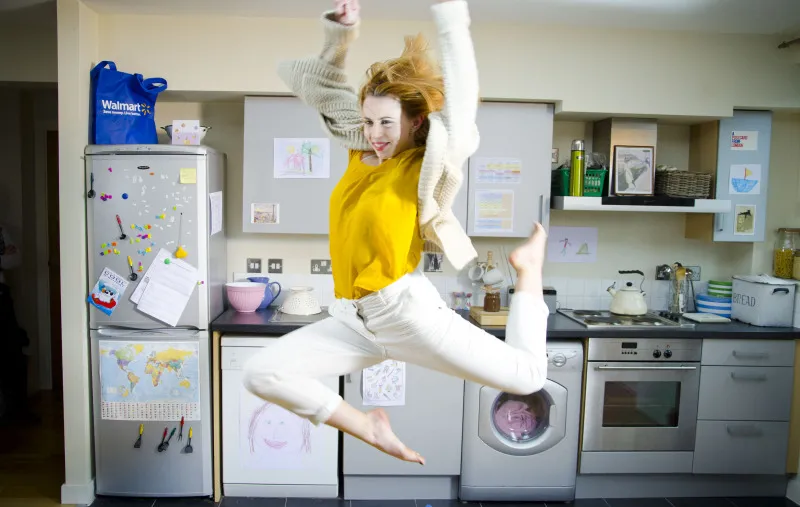
Photo: Bold Content, CC BY 2.0, via Wikimedia Commons
There's something quietly radical happening in closets across the country. People are pushing past the grays and the greiges, bypassing the safe beige blazers, and reaching straight for the cobalt. The fuchsia. The emerald so deep it practically glows. Call it a vibe shift, call it a cultural exhale — whatever it is, bold color is having an undeniable moment in 2024, and it's not slowing down anytime soon.
This isn't just a runway fantasy dreamed up in Milan or Paris. It's showing up in real life, on real people, in the checkout line at Target and the corner coffee shop. Americans are dressing with intention — and that intention is joy.
The Science Behind the Sartorial Shift
You've probably heard the phrase "dopamine dressing" floating around. It sounds like wellness-speak, but there's genuine science underpinning the trend. Color psychology has long established that the hues we wear can meaningfully influence our emotional state — not just how others perceive us, but how we feel from the inside out.
Dr. Dawnn Karen, a fashion psychologist often credited with coining the term "mood dressing," has spent years studying the relationship between clothing choices and mental well-being. The core idea is straightforward: wearing colors that excite or comfort you can actually trigger dopamine release in the brain, the same feel-good chemical associated with reward and motivation.
After several years of collective stress — pandemic fatigue, economic uncertainty, an endless news cycle — it makes sense that people are gravitating toward clothes that feel like a small, wearable act of self-care. Choosing a saturated marigold sweater over a gray one isn't frivolous. For a lot of Americans, it's genuinely therapeutic.
What the Global Runways Are Telling Us
Fashion capitals worldwide have been telegraphing this shift for a couple of seasons now, and the message is loud and clear.
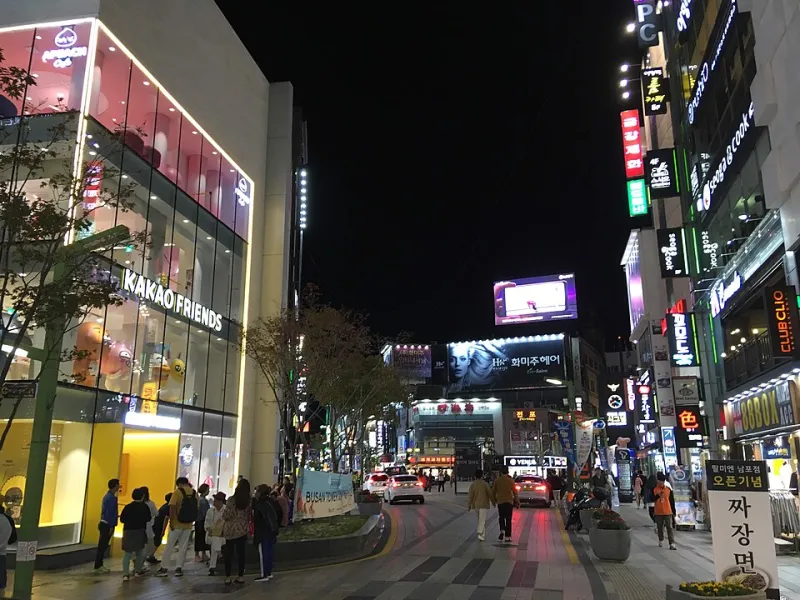
In Tokyo, the dopamine dressing movement dovetails beautifully with the city's long tradition of fearless, maximalist street style. Harajuku has always celebrated color as a form of self-expression, and right now that sensibility is bleeding into more mainstream Japanese fashion — think oversized blazers in candy-coated pastels layered over graphic tees in clashing brights.
Milan took a different approach this year, leaning into what you might call "elevated dopamine" — rich, jewel-toned palettes that feel luxurious rather than playful. Deep amethyst coats, burgundy leather trousers, forest-green silk blouses. The Italian aesthetic proves you don't have to sacrifice sophistication to go bold.
Meanwhile, Lagos and Accra continue to be a masterclass in color confidence, with West African fashion influencers bringing vibrant wax-print fabrics and statement accessories to global audiences. Their unapologetic use of color has been quietly influencing American style for years, and that cross-cultural exchange is more visible now than ever.
The Jewel Tone Moment You Should Know About
If you're not ready to go full neon, jewel tones are your on-ramp to the color revolution. Think sapphire, deep teal, rich garnet, and burnished gold. These shades carry all the emotional punch of bold color without veering into costume territory — they work in professional settings, on dinner dates, and everywhere in between.
The beauty of jewel tones is their versatility across skin tones. Unlike some pastels, which can wash certain complexions out, jewel tones tend to pop beautifully against a wide range of undertones. Emerald green, for instance, has a near-universal flattery factor that makes it one of the most wearable bold choices in your arsenal.
Real Talk: How to Actually Wear More Color
Knowing color is trending is one thing. Knowing how to make it work in your actual life is another. Here are some practical ways to start building a bolder wardrobe without a complete overhaul:
Start with accessories. If you're color-shy, a cobalt blue bag or a pair of deep burgundy ankle boots is a low-commitment way to test the waters. Accessories let you control the intensity — one bold piece can anchor an otherwise neutral outfit.
Use the 70-20-10 rule as a starting point. Build your outfit with 70% neutrals, 20% complementary tones, and 10% of your statement color. As your confidence grows, flip those percentages.
Lean into color blocking. Pairing two bold, contrasting colors together — say, cobalt and tangerine — is actually easier to pull off than it sounds, and it reads as intentional rather than accidental. This is a trick that Tokyo street stylists have been using for years.
Don't underestimate monochromatic dressing. Wearing one color head to toe is a power move. An all-camel look feels classic; an all-violet look feels electric. Either way, you own the room.
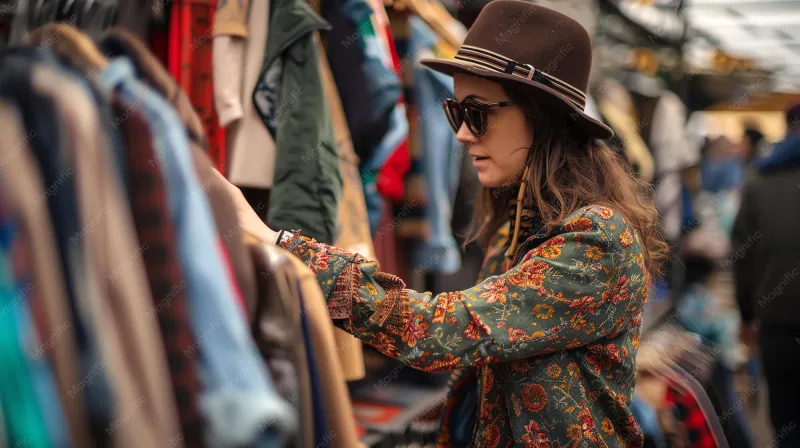
Mix thrifted and new pieces. Vintage shops are treasure troves for color — older garments often came in shades that feel fresh and unexpected by today's standards. A vintage coral blazer paired with modern straight-leg jeans? That's a whole look.
Combating the Seasonal Blues, One Outfit at a Time
For many Americans, the real test of dopamine dressing comes in the fall and winter months, when shorter days and colder temps can drag moods down. This is precisely when leaning into color pays the biggest dividends.
Instead of defaulting to an all-black winter wardrobe (tempting as that is), try anchoring your cold-weather looks with one richly saturated piece. A deep teal wool coat. A rust-orange turtleneck. A plum velvet blazer. These choices don't just look good — they can genuinely shift your energy on a bleak Tuesday morning in February.
Color is, in many ways, the most accessible form of self-expression available to us. It costs nothing to swap a gray hoodie for a blue one. But the effect on your mood — and on the mood of everyone around you — can be surprisingly significant.
The Bigger Picture
What's exciting about this moment isn't just that color is trending. It's why it's trending. People are consciously choosing joy. They're using fashion as a tool for emotional resilience, cultural connection, and personal identity. From the streets of Tokyo to a boutique in Brooklyn, the message is the same: life is too short for a wardrobe that doesn't make you feel something.
At GLO Shop, we've always believed that style is a global conversation — and right now, the world is speaking in color. The only question is: which shade are you reaching for?