The Thrift Flip Era: Why Finding Something Old Is the Freshest Move in Fashion Right Now
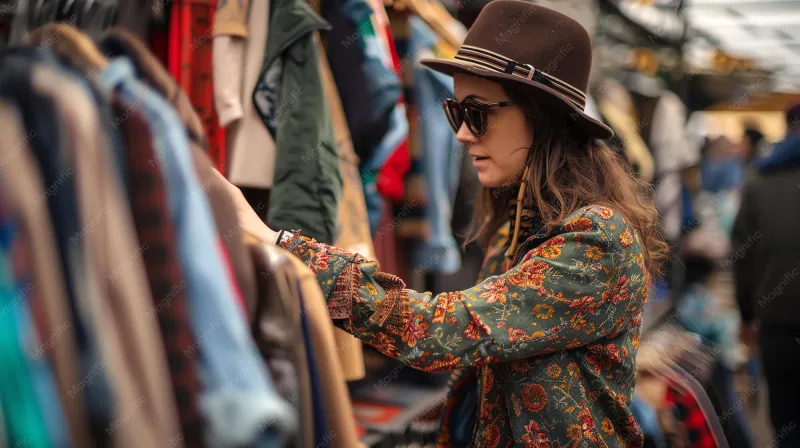
Photo: young woman thrift shopping vintage clothing rack secondhand store, via img.freepik.com
Somewhere between a Depop notification and a Saturday morning Goodwill run, the cultural script around thrifting got completely rewritten. What was once seen as a necessity — something you did when money was tight — has transformed into one of the most aspirational moves in American fashion. And Gen Z is leading the charge.
This isn't about poverty chic or ironic ugliness. It's about something deeper: a rejection of fast fashion's assembly-line sameness, a hunger for pieces with actual history, and an increasingly sophisticated eye for what makes clothing truly special. In 2024, the most interesting outfit in the room is almost always the one that can't be replicated.
How Secondhand Became the New Status Symbol
Let's be clear about what's actually shifted here. For previous generations, wearing secondhand clothing sometimes carried a quiet stigma — something to be downplayed rather than celebrated. Today's young Americans have flipped that dynamic entirely. Announcing that your jacket is vintage, your jeans are thrifted, or your bag came from an estate sale isn't an admission of budget constraints. It's a badge of honor.
The reasons are layered. There's the environmental angle — Gen Z is genuinely more attuned to the ecological cost of fast fashion than any generation before them, and choosing secondhand is a tangible way to opt out of that system. But there's also something more personal at play. In a world of algorithmic sameness, where the same trending pieces flood every Instagram feed simultaneously, owning something truly one-of-a-kind carries real cultural currency.
When everyone can buy the same H&M blazer, the vintage Levi's trucker jacket from 1987 becomes the power piece.
The Online Communities Driving the Movement
You can't talk about the thrifting revolution without talking about where it lives online. Platforms like Depop, Poshmark, ThredUp, and Vinted have turned the secondhand market into a global fashion ecosystem — one where a 19-year-old in Columbus, Ohio can source a rare 1990s windbreaker from a seller in Portland and style it for her 80,000 TikTok followers by the weekend.
TikTok's #ThriftFlip community alone has racked up billions of views, with creators documenting their thrift hauls, alterations, and styling transformations in real time. These aren't just shopping videos — they're tutorials in creative thinking, in seeing potential where others see clutter.
Subreddits like r/ThriftStoreHauls offer a more granular look at the community: people sharing their finds, asking for authentication help on vintage pieces, debating the ethics of reselling, and building genuine knowledge bases around everything from vintage denim to deadstock sneakers. It's a subculture with its own language, its own experts, and its own hierarchy of cool.
How to Spot a Vintage Piece Worth Investing In
Not everything old is gold — experienced thrifters will tell you that. The real skill lies in developing an eye for quality and authenticity. Here are some things to look for when you're digging through the racks:
Check the labels. Vintage clothing labels can tell you a lot. Union labels (look for ILGWU or ACWA markings) indicate American-made garments from the mid-20th century. Country-of-origin labels that read "Made in USA" on everyday items typically predate the 1990s offshoring wave. These details matter for authenticity and often signal higher construction quality.
Feel the fabric. Older garments were frequently made from natural fibers — wool, cotton, silk, linen — that simply don't show up in the same quality in today's fast fashion. A heavy wool coat from the 1970s will outlast three contemporary versions of the same thing.
Look at the construction. Turn the garment inside out. Are the seams finished cleanly? Is the lining intact? Are the buttons original? Well-constructed vintage pieces show their craftsmanship in these details.
Know your decades. Each era has signature silhouettes and details. Wide lapels and flared trousers scream 1970s. Oversized shoulders and bold prints? That's 1980s all day. Slip dresses and baby tees? Hello, '90s. Understanding these visual cues helps you date pieces quickly and style them more confidently.
Think investment, not just impulse. Certain categories hold and even gain value over time — vintage Levi's 501s, classic Coach leather bags, Nike Air Max from specific years, Levi's Type I and Type II denim jackets. If you're buying with an eye toward resale, do a quick check on completed Depop or eBay listings to understand market value.
Blending Old and New: The Art of the Mixed Wardrobe
One of the most visually interesting things happening in American street style right now is the way younger shoppers are combining thrifted vintage with contemporary pieces. This isn't about creating a costume — it's about building a wardrobe that feels genuinely personal rather than trend-dictated.
Some combinations that work particularly well:
-
A vintage oversized blazer (think early '90s, ideally in a muted plaid or solid earth tone) layered over a crisp modern fitted turtleneck and straight-leg contemporary trousers. The contrast between eras creates visual interest without looking like you raided a time capsule.
-
Thrifted wide-leg denim from the late '90s or early 2000s paired with a current-season cropped hoodie or structured modern jacket. This is a look that global fashion capitals from Seoul to Copenhagen have been championing, and it translates beautifully to everyday American dressing.
-
A vintage band tee or graphic shirt (authenticity optional, but fun if genuine) tucked loosely into sleek, minimal contemporary trousers with a statement belt. The high-low tension between worn-in and polished is the whole point.
The key is fit. Vintage pieces often run differently from modern sizing, and a good tailor can be the difference between a thrift score and a thrift mistake. Many experienced thrifters factor in a small tailoring budget when evaluating a potential purchase — even a $20 alteration can make a $15 thrift find look like a designer piece.
Global Influences in Your Local Thrift Store
Here's something worth noting: the thrifting movement in America doesn't exist in a vacuum. It's in constant conversation with secondhand cultures around the world. Japan's furugi (used clothing) market has long treated vintage American denim and workwear as precious artifacts — and that reverence has looped back across the Pacific to influence how American collectors think about their own clothing history.
In London, the Portobello Road and Brick Lane markets have spent decades turning vintage into high fashion currency, a sensibility that's deeply embedded in British street style. In West Africa, the kantamanto market in Accra is one of the world's largest secondhand clothing markets, a complex ecosystem that's sparking important conversations about the global flow of discarded Western fashion.
When you pick up a vintage piece at your local Salvation Army, you're participating in something genuinely global — a worldwide reckoning with how we produce, consume, and value clothing.
The Bigger Why
At its core, Gen Z's embrace of thrifting is about authorship. It's about building a wardrobe that tells your story rather than the story that a fast-fashion algorithm decided was trending this week. It's slow, it's intentional, and it's deeply creative.
And honestly? It's some of the most exciting fashion happening right now. The best-dressed people aren't always the ones with the biggest budgets — they're the ones with the sharpest eyes and the most interesting stories to tell. Sometimes that story starts with a $12 find on a Sunday afternoon.
That's the real flex.