Why Gen Z Is Spending Big on Pre-Owned Designer — And Why It Actually Makes Perfect Sense
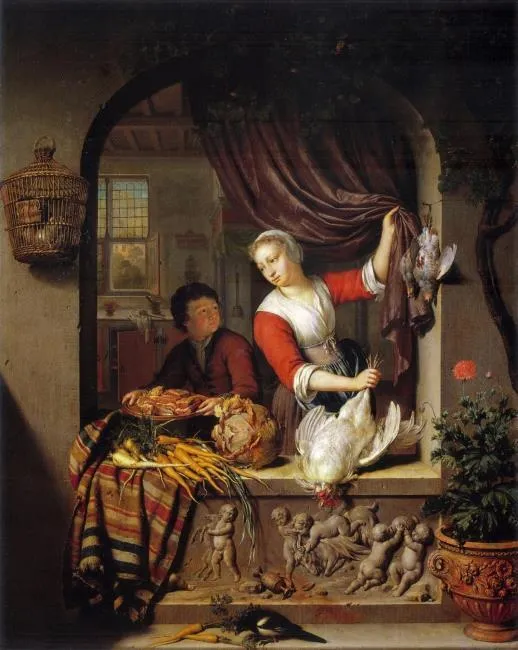
Photo: Willem van Mieris, Public domain, via Wikimedia Commons
Let's get one thing straight: Gen Z did not kill luxury fashion. They just completely reinvented how they access it.
While headlines spent years mourning the supposed death of designer labels among younger consumers, something quieter — and frankly more interesting — was happening. A generation raised on resale apps, sustainability anxiety, and an almost allergic reaction to being sold to in obvious ways was quietly becoming one of the most sophisticated luxury markets the fashion industry has ever seen. They just weren't buying it new.
The pre-owned designer market in the US is projected to hit over $70 billion by 2027, according to ThredUp's annual resale report, and younger shoppers are driving a significant chunk of that momentum. We're not talking about thrifting for a vintage band tee anymore. We're talking about authenticated Bottega Veneta bags, pre-loved Issey Miyake pleats, and Y2K-era Dior saddle bags that sell for more than they did at retail — because scarcity, provenance, and cultural cachet are doing what no marketing campaign ever could.
So what's actually going on here? And what does it mean for the way Americans think about getting dressed?
Thrifting Grew Up — And It Got a Lot More Intentional
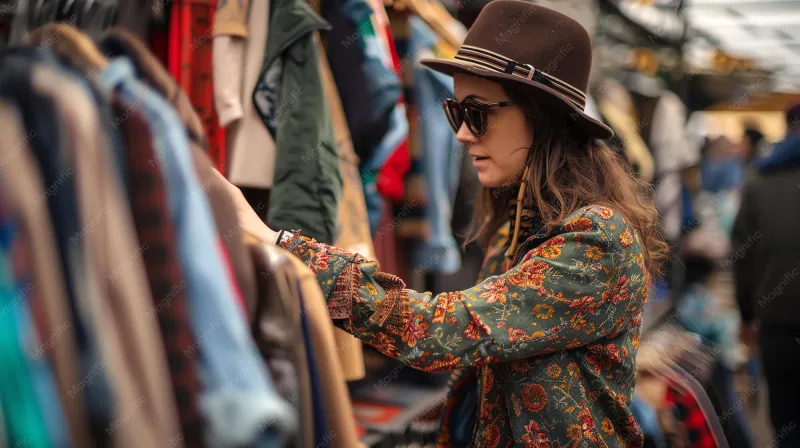
A few years ago, thrifting was having its mainstream moment. Depop blew up. Goodwill became a legitimate weekend activity. The "thrift flip" became a whole aesthetic on TikTok. That wave democratized secondhand shopping in a real way, and it genuinely changed how millions of Americans — especially younger ones — relate to buying clothes.
But the next evolution is more specific. It's not just about finding something cheap and cool at the thrift store anymore. It's about curating, about investing, about owning something with a story and a verifiable history. Gen Z, it turns out, has developed a surprisingly sophisticated palate for quality — and once you've held a well-made piece of European leather goods or felt the construction of a Japanese designer blazer, the appeal of fast fashion genuinely dims.
Authenticated resale platforms like The RealReal, Vestiaire Collective, and Fashionphile have made it easier than ever to buy pre-owned luxury with confidence. And offline, consignment shops in major cities are seeing a notable uptick in younger customers who come in knowing exactly what they're looking for.
The Psychology of "Worn-In" Designer
Here's something the traditional luxury industry didn't fully anticipate: for a lot of younger shoppers, the fact that a piece has history is a feature, not a flaw.
There's a concept in behavioral psychology called "benign masochism" — finding pleasure in something that would ordinarily be uncomfortable or undesirable. In fashion terms, the slight wear on a vintage Chanel flap, the patina on a well-used LV canvas, the fading on a pair of archival Helmut Lang trousers — these aren't imperfections to be hidden. They're proof of life. They signal that a piece has survived, that it has been chosen and re-chosen, that it exists outside the disposable cycle that defines so much of contemporary retail.
There's also something genuinely counter-cultural about it. In a world where every brand is trying to sell you the newest thing, choosing something old and considered is a quiet act of resistance. It says: I'm not playing that game. And for a generation that is deeply, almost exhaustedly aware of how marketing works, that independence carries real social currency.
It's Also Just Smart Money
Let's not romanticize this entirely — economics matter here too, and Gen Z knows it.
Buying a pre-owned designer piece at 40–60% below retail isn't just environmentally responsible. It's genuinely savvy. Many classic luxury items — certain Hermès styles, iconic Chanel bags, select pieces from designers like Vivienne Westwood or Comme des Garçons — hold or increase in resale value over time. Buying secondhand luxury isn't just consumption; for some pieces, it's closer to investment.
Compare that to a $35 fast fashion top that pills after four washes and ends up in a landfill. The math starts to look pretty different.
For a generation that graduated into economic uncertainty, carries student debt, and has watched housing costs spiral, the idea of a closet that holds its value is genuinely appealing. It reframes fashion as something other than pure expenditure — which is a fundamental shift in how Americans have traditionally thought about getting dressed.
Where to Actually Find the Good Stuff
If you're ready to explore the pre-owned luxury space, here's where to start:
Online:
- The RealReal — Wide selection, rigorous authentication process, good for accessible luxury entry points like Burberry, Coach, and Marc Jacobs alongside true high-end pieces.
- Vestiaire Collective — Strong on European designer labels, excellent for finding pieces with genuine global provenance. Their community-driven model adds a layer of trust.
- Fashionphile — Best in class for handbags and accessories from top-tier houses. If you're specifically hunting for a bag investment, start here.
- eBay's Authenticity Guarantee — Underrated. For vintage pieces and specific archival finds, eBay's expanded authentication program has made it a legitimate destination.
Offline:
- High-end consignment shops in major cities (New York's Housing Works, LA's Wasteland, Chicago's Clothes Optional) often have rotating inventory that online platforms miss.
- Estate sales and vintage fairs remain one of the best places to find genuinely rare pieces at prices that haven't been algorithmically inflated yet.
- Ask your network. Seriously. The best secondhand finds often come through word of mouth.
What to look for:
- Authentication certificates or receipts where available
- Hardware condition (on bags especially — this is hard to fake and hard to restore)
- Construction quality at seams and lining
- Seller reputation and return policies on any platform
The Bigger Picture
What Gen Z is doing with luxury resale isn't just a shopping trend — it's a values statement. It's a rejection of the idea that newness equals worth. It's a preference for objects with depth over objects with hype. And it's a genuinely global sensibility: a vintage Issey Miyake piece carries the legacy of Japanese fashion philosophy; a pre-owned Sonia Rykiel sweater carries decades of Parisian cool. Wearing secondhand luxury is, in its own way, a form of cultural connection.
For a generation that grew up with the entire world's fashion history available on a screen, it makes complete sense that they'd want to wear a piece of it.
The secondhand renaissance isn't just reshaping how Americans shop. It's reshaping what we think fashion is actually for.